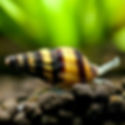
🐌 Black Military Helmet Nerite Snail (Neritina pulligera)
🐌Black Military Helmet Nerite Snail (Neritina pulligera)
Algae Control • Detritus Removal • Peaceful Cleaner
📋 Species Description – Black Military Helmet Nerite Snail
The Black Military Helmet Nerite Snail is a striking freshwater snail prized for its distinctive dark “helmet” shell pattern that resembles a miniature soldier’s helmet. Its tough, glossy armor and slow, deliberate movements make it both a functional cleaner and an attractive addition to aquariums.
This species is an excellent natural algae eater, grazing continuously on aquarium glass, rocks, and driftwood, leaving surfaces spotless. Unlike many other snails, it will not consume healthy plants, making it safe for planted aquariums.
Highly hardy and peaceful, Black Military Helmet Nerite Snails coexist well with most tank mates, including fish and shrimp. They are easy to care for, but like all Nerite snails, they cannot breed in freshwater, ensuring they won’t overpopulate tanks. Growing up to 5 cm (≈ 2"), they make a perfect functional addition to community aquariums.
💡 Highlights
✨ Excellent natural algae eater – glass, rocks, plants
⚪ Distinctive dark “helmet” shell pattern
📏 Grows up to 5 cm (≈ 2")
✅ Hardy and peaceful – safe for community aquariums
🐠 Cannot breed in freshwater – no risk of infestation
🧾 A Quick Look at the Black Military Helmet Nerite Snail
📛 Common Name: Black Military Helmet Nerite Snail
🔬 Scientific Name: Neritina pulligera
👨👩👧 Family: Neritidae
🌍 Origin: Southeast Asia, Pacific Islands
📏 Max Size: 5 cm (≈ 2")
💧 pH Range: 6.8 – 8.2
🌡️ Temperature Range: 22 – 28 °C (72 – 82 °F)
🧠 Care Level: Easy
💖 Temperament: Peaceful
🪸 Reef Safe: ✅Yes – excellent algae grazers
🏠 Min Tank Size: 38 L (10 US gallons)
📌 Tank Level: Bottom / Glass Surfaces
🧬 Captive Bred: ❌ No
🌿 Wild Caught: ✅ Yes
⏳ Lifespan: 3 – 5 years
🍽️ Diet: Herbivore / Detritivore
🐣 Reproduction: Egg laying in freshwater, larvae require brackish water to develop (not breedable in aquariums)